The grape harvest is one of the most crucial and captivating moments in the wine production cycle. It is a period that demands careful planning and technical expertise, as the decisions made during this phase will profoundly impact the quality of the wine produced.

The Harvest Over Time
The grape harvest is an activity deeply rooted in Mediterranean history and culture, creating memories and bonds that span generations. This moment of collective labor has been experienced for centuries as a significant event, rich in symbolism and social connection. Even in Ancient Rome, the harvest was marked by religious festivities like the Vinalia Rustica, celebrated on August 19th, during which sacrifices were offered to Jupiter to protect the vineyards and ensure a good harvest. These celebrations reflected the importance of the harvest, seen not just as agricultural work, but as a sacred ritual.
Until the mid-20th century, the harvest retained many of its traditional characteristics: it was a time of sanctity, often associated with religious celebrations in honor of the saints to give thanks for the harvest. It was also an occasion for festivity and gathering, where families and communities came together not only to work but also to celebrate their efforts with a communal meal.
Today, although modern technologies have made the harvest more efficient and less labor-intensive, leading to the partial loss of some traditions associated with this rite, many wineries still choose to maintain manual harvesting. This is done for environmental reasons, to ensure careful selection of the grapes, and to preserve the sense of community and attention to quality that have always characterized this activity. In this way, the tradition of the harvest continues to thrive, adapting to the times while remaining a symbol of resilience and value of human labor.

From Harvest to Bottling
It’s important to emphasize that there isn’t a single ideal period for the grape harvest. The best time to harvest grapes varies depending on geographical regions and the type of wine being produced, as it requires a specific balance between the sweetness and acidity of the grapes, achieved through different ripening periods.
Wine production begins well before the harvest, with care of the vineyard. Managing the vines and their seasonal needs is crucial in determining the quality and character of the final wine. During the harvest, grape clusters are selected and picked either manually or mechanically, depending on the quality requirements.
After harvesting we have the grape pressing, typically performed by modern machinery that best preserves the characteristics of the must. This is followed by the fermentation phase, during which the must is closely monitored. The addition of selected yeasts and temperature control are essential to achieve the desired profile.
Following primary fermentation, the wine is racked, separating the liquid from the skins and sediments. A slow fermentation process then begins, often in wooden barrels, which can last months or even years, depending on the type of wine. Around mid-November, the first racking is carried out to remove residues and impurities. At this point, the wine is ready for aging, which may take place in barrels or bottles.
The bottles must be stored in a cool, dark environment, with a temperature around 15°C and controlled humidity. In the first few days after bottling, the bottles are placed upright to allow the corks to expand, after which they are laid horizontally for optimal preservation.

Winery Experiences During the Harvest Season
- In the Oltrepò Pavese area, it is possible to let your customers experience grape harvesting firsthand. At the Lefiole winery, you can in fact discover the art of grape harvesting firsthand. When you return to the winery, a tasting of their wines accompanied by local products such as Salame di Varzi DOP and Staffora Valley cheeses will be waiting for you.
- Also in Oltrepò Pavese, we find the Fradè winery, which allows you to give the gift of the grape-harvest experience with foot-pressing of the grapes and picnic in the vineyard. An experience that transversally involves all generations, from the oldest to the youngest. At the end of the event you will also be awarded a “Vintner for a Day” certificate.
- In Monferrato, on the other hand, the Scarpa winery offers the opportunity to discover their vineyards with all the characteristics and secrets of their grapes thanks to an educational grape harvest. At the end of the explanation there will be a visit to the winery and a tasting of 5 wines with a buffet of local products.
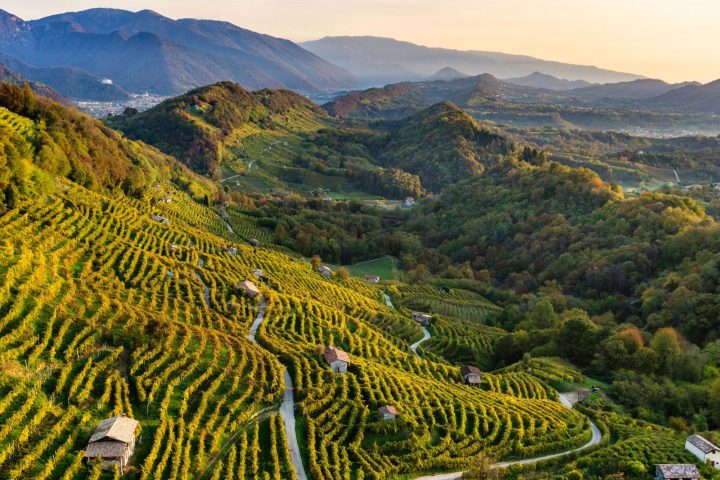
- Moving to Veneto, in the Conegliano Valdobbiadene area, we find the 13th edition of the solidarity grape harvest at Le Manzane. A day of solidarity and fun to collect grapes and support an important cause such as “C’è da Fare ETS.” An event that will keep adults and children busy all day Sunday, September 8, 2024.
- Passing through Tuscany, you’ll find Castelfalfi, where you can actively participate in the grape harvest alongside professionals. A harvest kit is provided for the activity, followed by a tour of the winery and barrel room, and concluding with a guided tasting of six organic wines.
- In Umbria, at Cantine Goretti, you can fully immerse yourself in the world of wine on Sunday, September 22. A walk through the vineyard allows you to experience the grape harvest, followed by a snack in the vineyard, return to the winery, and traditional grape pressing in vats. To top it off, enjoy a lunch with a zero-kilometer menu paired with their wines.
- Finally in Puglia, at Masseria Cuturi, you will have the opportunity to experience the grape harvest at night. A grape crushing experience, followed by local street food and live pizzica show.
Discover wineries in one of their most beautiful periods, where you can appreciate the work, dedication and tradition behind high quality wines; immerse yourself in a thousand authentic wine tourism experiences and all the passion of the Divinea world.