


The world of wine is undergoing a significant transformation, driven by new trends and global challenges. Declining consumption, increasing product qualification and the growing role of exports are just some of the key aspects that will shape the future of the industry in the coming years.
This article analyzes the current and future dynamics of the wine sector through the concepts of sustainability, innovation, and new generations by exploring the impact on consumption, exports, and strategies to engage young consumers.
- Sustainability and innovation in the wine sector
- Consumption dynamics and export growth
- Engaging new generations
- Future perspectives
Sustainability and innovation in the wine sector
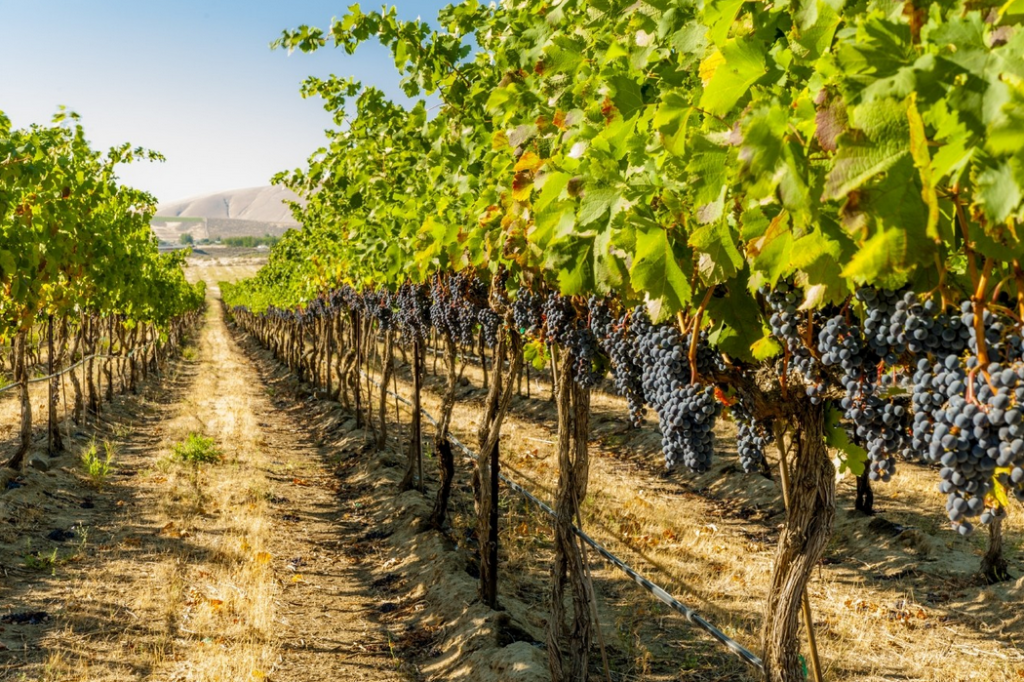
Sustainability is set to become central to the future of wine. Growing environmental awareness among consumers and pressures related to climate change are driving several producers to adopt more sustainable practices. More and more studies and events in the wine world are highlighting how this market is shifting toward more eco-friendly and high-quality products, thus underscoring the importance of sustainability to consumers, especially young ones.
Technological innovation plays a crucial role in this context. The introduction of vines resistant to disease and adverse weather conditions, along with the adoption of precision agriculture, offer concrete solutions to environmental challenges. Such technologies not only help reduce the environmental impact of wine production, but also improve the quality of the final product.
It would thus seem that sustainability is not just a passing trend, but a necessity to ensure a prosperous future for the wine industry.
Consumption dynamics and export growth
Wine consumption in Europe is decreasing in volume but increasing in value, reflecting a preference for premium products. This trend is also evident in Italy, where PDO/PGI wines have surpassed generic wines. According to data, wine consumption in Italy increased from 29.3 to 21.8 million hectoliters from 2003 to 2023, with a growing preference for premium wines. This change in consumption is indicative of an increased awareness and appreciation for higher quality wines.
Despite the decline in domestic consumption, exports have proven to be a real lifeline for the Italian wine sector. In fact, over the past two decades, wine exports have increased significantly in all the major wine powers. In this context, Italy has strengthened its presence in international markets, going from a leadership in 9 countries in 2003 (17 percent) to 46 in 2023 (22 percent), while France, albeit with lower growth, continues to excel in 51 markets.
The European Union remains the main area for Italian wine exports, although the share has declined over the past two decades. The categories of wines exported are also changing: while red wines are declining slightly, sparkling wines are gaining ground, rising from 6.4 percent to 23.9 percent of exports.
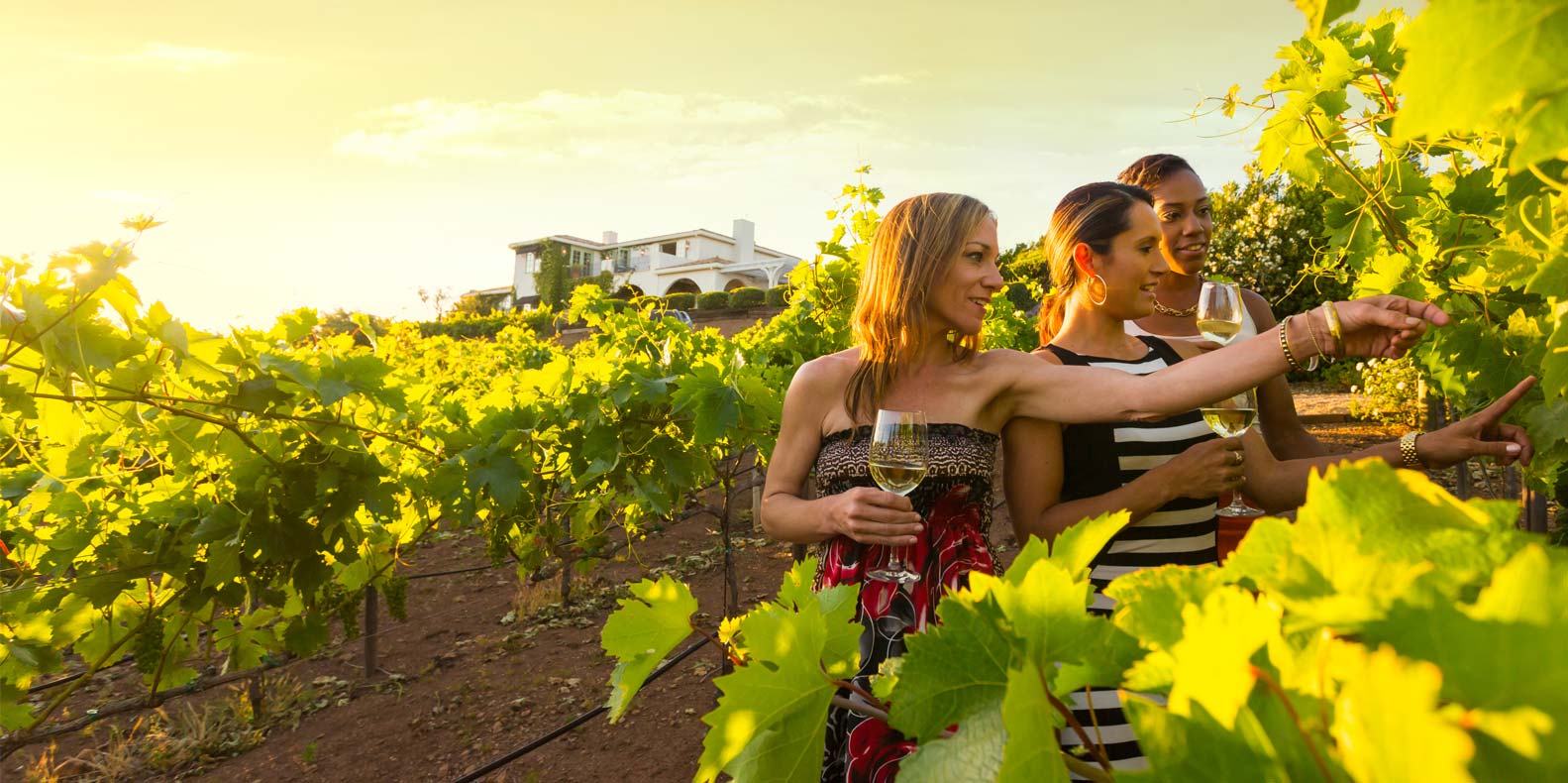
The future of wine also depends on attracting young consumers. Millennials and Generation Z show an increasing focus on product quality and sustainability. However, their preferences are shifting toward low-alcohol beverages.
To capture this audience, innovative and targeted communication strategies are essential. Using social media to tell the story of wines, varietals and wineries in an engaging way can make a difference. Just as educating young people through an informal and interactive approach can also promote informed consumption and enhance Italy’s wine heritage.
According to a survey by the Enpaia-Censis Agricultural World Observatory, presented during the 2024 edition of Vinitaly, young Italian consumers are reversing consumption trends, showing greater interest in wine than previous generations.
Promotion, study and culture remain privileged drivers to encourage informed consumption. Italy, with its unique varietal heritage and wine biodiversity, has all the assets to attract young consumers. Therefore, it is essential to communicate these strengths effectively. Telling the peculiarities of wines, grape varieties, the history of wineries and pioneers can bring young people closer to conscious wine consumption.
Wine should not be demonized or absolved; it should be told and explained. Initial education should take place in the family, with grandparents or parents passing on the first rudiments of a culture of tasting and moderation. Made-in-Italy wine has all the right cards to win in the markets, leveraging biodiversity and sustainability, the latter aspect particularly felt by green consumers, who are mostly young (but not only).
The future of the wine sector looks promising despite the current challenges. According to a survey conducted by Mediobanca’s Study Area, Italy’s 253 largest wineries expect sales to increase by 2.6 percent and exports by 3 percent in 2024. This optimism is supported by a positive trade balance for Italy, which has grown at an average annual rate of 5.5 percent over the past two decades, from 2.5 billion euros in 2003 to 7.2 billion euros in 2023.
Piedmont, Tuscany and Veneto dominate the production of PDO/PGI wines, with the total value of these wines accounting for a significant portion of Italian exports. Despite declining production and consumption, the Italian wine sector is demonstrating remarkable adaptability and resilience. Diversifying export markets and adopting sustainable practices are key strategies for future success.
In conclusion, the wine world is entering a new era in which sustainability, innovation and new generations will be crucial. Exports will continue to play a crucial role, while engaging new generations through effective communication strategies will be key to ensuring a prosperous future for the industry. With the right strategies, Italian wine can continue to thrive and strengthen its leadership position globally.
Want to explore Italian vineyards and have a unique wine experience? Visit Divinea.com to book your ideal wine tourism tour. Discover the secrets of wineries, taste fine wines and immerse yourself in wine culture. Book now and start your journey to discover Italy’s wine treasures!


